 |
|
|
|
|
|
|
|
|
|
|
|
|
|
|
|
 |
|
||||||||||||||
 |
 |
 |
 |
 |
 |
 |
 |
 |
 |
 |
 |
 |
 |
 |
|
 |
 |
 |
|
||||||||||||
 |
 |
|
|||||||||||||
 |
 |
|
|||||||||||||

Winter Speaker Series
Quiet Communities
Jamie Banks, Founder & President, Quiet Communities
Wednesday, February 11, 2026 at 7:00 pm
See Zoom Presentation Below
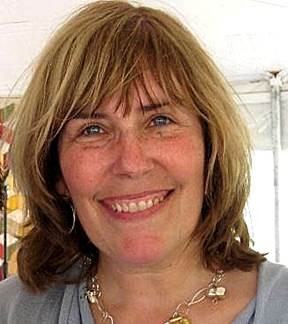
Jamie Banks
Friends of Merrymeeting Bay’s (FOMB) fifth presentation of their 29th annual Winter Speaker Series: Quiet=Healthier: Addressing Community Noise features Jamie Banks, founder and president of Quiet Communities. Winter Speaker Series presentations are held via Zoom and accessible via hyperlink at the top of the FOMB web page: www.fomb.org. This event takes place Wednesday, February 11th at 7 pm.
Harm from noise, as affirmed by the American Public Health Association, is a public health crisis. Noise is known to cause severe cardiovascular impacts, to delay childhood development, to impact mental health, and lead to metabolic diseases. When noise is excessive and causes harm, it needs to be addressed. Quiet and natural soundscapes have become precious commodities. Leaf blowers, helicopters, tractors, chain saws, motorcycles, wood chippers, workplace machinery, traffic and airplanes are just a few sources of noise imperiling public health. OSHA notes exposure to high levels of noise can cause permanent hearing loss. Neither surgery nor a hearing aid can correct this type of hearing loss. Short term exposure to loud noise can cause a temporary change in hearing (your ears may feel plugged) or a ringing in your ears (tinnitus). These short-term problems may go away within a few minutes or hours after leaving the noise. However, repeated exposure can lead to permanent tinnitus and/or hearing loss.
Loud noise can create physical and psychological stress, reduce economic and other productivity, interfere with communication and concentration, trigger PTSD and contribute to accidents and injuries by making it difficult to hear warning signals, but the problems with noise are not limited to the workplace. The effects of noise can be profound, affecting neighbors, communities and wildlife in the environment and causing psychological as well as physiological stresses. The little-known Noise Control Act was passed in 1972 but remains toothless years later despite 1990 amendments to the Clean Air Act where noise pollution is addressed in Part IV, §7641.
The health of more than 100 million Americans is at risk, with children among the most vulnerable. Noise-related costs range in the hundreds of billions of dollars per year. Yet, the United States has no federal standards for non-occupational noise exposure.
Jamie Banks is a health care and environmental scientist with an extensive background in health outcomes and economics, environmental behavior, and policy, who brings a multifaceted perspective to her work. She founded Quiet Communities (QC) in 2013 to help find solutions to the problems of harmful noise and pollution affecting communities. At QC Jamie has assembled a team of 40+ operational and advisory team members. She is the author of several peer review publications, a presenter at national and international scientific meetings, and an invited presenter at local, state, and federal government hearings. In addition to her role at QC, Jamie chairs the Noise & Health Committee at the American Public Health Association (APHA) and is leading efforts to develop policy statements around noise and related pollution. Jamie holds a PhD in Social Policy/Health Economics from the University of Kent, UK, and earned masters’ degrees from Dartmouth Medical School and MIT.
FOMB hosts their Winter Speaker Series October-May, on the second Wednesday of each month. Due to the Covid 19 pandemic and ability for participants to attend from out of the area, the series continues via Zoom. The FOMB March 11th 2026 presentation, SLIME ME features Karen Coluzzi, Entomologist with the Maine Department of Agriculture, Conservation and Forestry.
Speaker Series presentations are free, open to the public. Visit www.fomb.org to see speaker biographies, full event schedules, video recordings of past presentations, become a member, and learn more about how you can help protect beautiful Merrymeeting Bay and the Gulf of Maine.
For more information contact FOMB at 207-666-3372 or edfomb@comcast.net.
View Zoom Presentation:
Sarah Stapler